
How to Fix Blinds String and Restore Smooth Use
You can fix a blinds string by opening the headrail, removing the damaged cord, and carefully threading a new string through the same path. If the blinds string is stuck or worn out, replacing it fully works better than tying knots or forcing the blinds to move.
Blinds use strings to lift, lower, and tilt smoothly. When a string breaks or jams, the blinds stop working properly. This guide explains why strings fail, how to spot early problems, and what steps help restore smooth movement. You will also learn when repair works and when replacement makes more sense. The goal is to help you make smart decisions without stress or guesswork.
Why Blinds Strings Matter More Than Most Homeowners Realize
Most people never think about the string on their blinds until something goes wrong. Yet this small part plays a big role inside every blind system. It controls how the blinds rise and lower, how the slats tilt, and how the window reacts to sunlight. A strong string makes the entire blind feel smooth, steady, and easy to use. When the cord becomes weak or tangled, the whole system becomes frustrating.
Blinds are often opened and closed many times each day. Over time, this puts pressure on the internal cords. Even a tiny string problem grows into a bigger issue if left alone. When blinds fail to move evenly or refuse to stay up, the cause is often the string. Understanding how this part works helps you protect your blinds and avoid sudden issues. It also helps you notice early warning signs before the blinds stop working completely.
Homeowners usually want blinds that feel simple and dependable. A good working string protects that sense of comfort and privacy. When the cord runs smoothly, homeowners enjoy better control of lighting, heat, and room mood. This makes the string one of the most important parts of a well working blind system.
Common Signs Your Blinds String Needs Attention
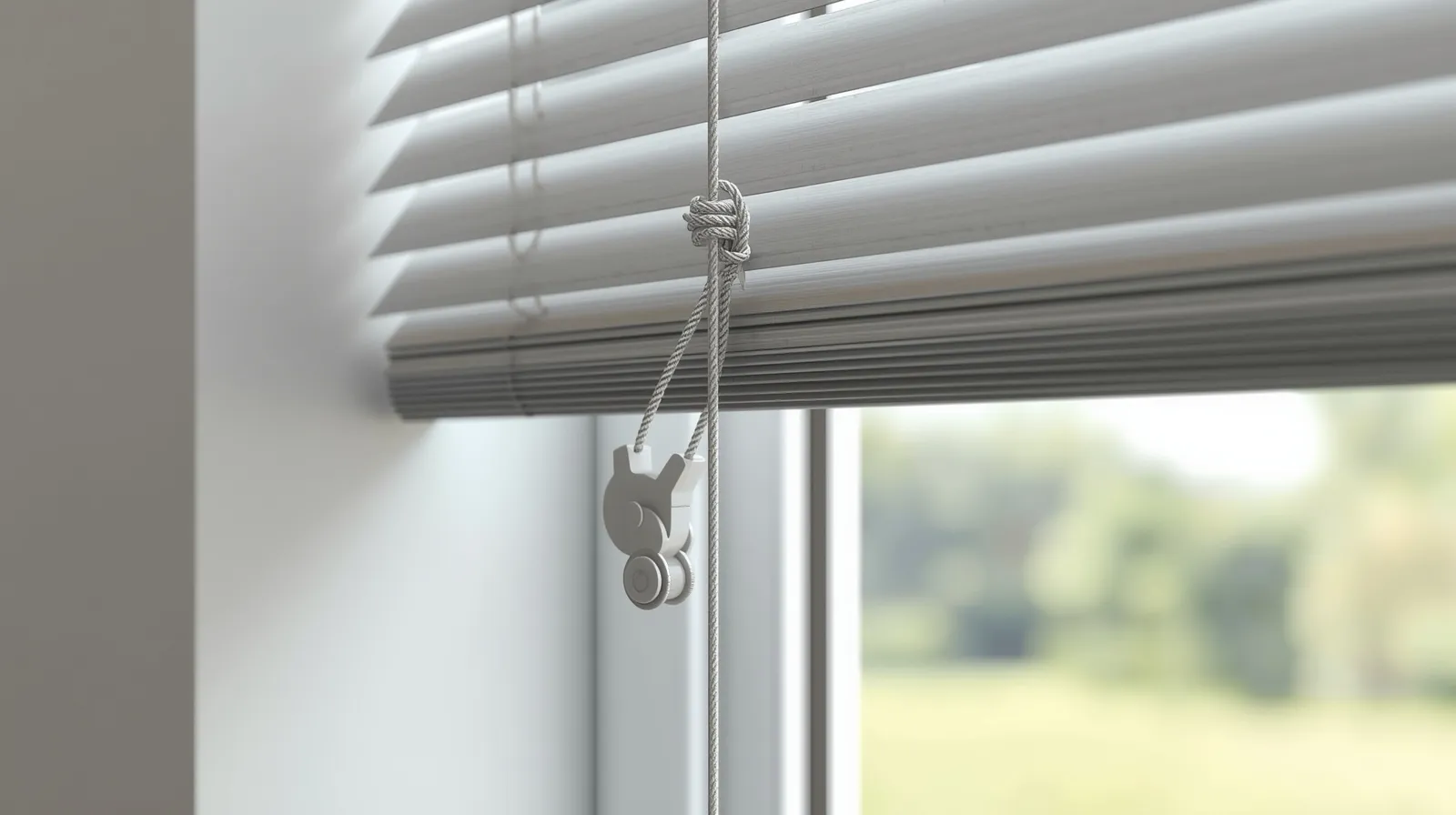
Blinds rarely break without showing signs first. These small clues help you catch problems early so the repair remains easy. One of the first signs many people notice is when the blinds string becomes stuck and will not move when pulled. This happens because the cord may be tangled, worn, or caught inside the headrail.
Another sign is uneven lifting. The blinds go up on one side but stay low on the other. This tells you one string is slipping or thinning. Sometimes the blinds drop suddenly when you let go of the cord. This means the string is no longer holding tension inside the locking system.
You may also hear clicking or scraping sounds when pulling the string. These noises appear when the cord rubs too hard on a pulley or tries to move over damaged parts. When these signs appear, it is best to check the string. Fixing the issue early prevents bigger damage to the headrail or slats.
What Causes a Broken Blinds String Over Time
Blinds strings do not break instantly. They weaken slowly due to several everyday factors. The most common cause is friction. Every time you lift the blinds, the string rubs against metal or plastic parts inside the headrail. Over the years, this rubbing wears the fibers down.
Sunlight can weaken cords when blinds hang in bright rooms. Strong sun dries out some materials and makes the string brittle. Dust builds inside the headrail and adds extra resistance. When a cord pulls through dusty pulleys, it becomes rough and worn.
Moisture in bathrooms and kitchens can also damage cords. Humidity softens or weakens certain fibers until they break. Children who pull too hard and pets who play with cords often cause sudden failures. Cheap cords that come with low quality blinds also break sooner than expected.
Understanding these common causes helps you prevent future damage and helps you choose better blinds in the future.
How to Fix Blinds String Safely Without Damaging the Blinds
Repairing a blind string should be done carefully. The first step is always to lower the blinds all the way down. This releases tension inside the system. Then remove the blinds from the brackets by lifting them gently. Place them flat on a table with enough space to work.
Next, open the headrail cover. This part requires patience because it houses the pulleys, cord locks, and inner parts. Before removing anything, take a clear photo of the inside. This helps you remember how everything fits when putting it back together.
Never use force inside the headrail. Blinds follow a specific path that guides the cord through small holes and pulleys. Pay attention to each part. Once the old string is free, thread the new one through the same route. If the path is tight, use a thin tool like a straightened paperclip to guide the cord through.
When tying knots at the bottom rail, pull each side gently to ensure the blinds rise evenly. Testing lightly before reinstalling reduces mistakes and protects the blinds from damage.
When a Broken Blinds String Can Be Fixed vs Replaced

Not every blinds string needs full replacement. Some problems are simple and can be repaired quickly. For example, a string may slip out of a pulley but still be strong. In this case, placing it back into the pulley may solve the issue. If the string becomes twisted or caught on a bracket, it may need only a small adjustment.
But when the string shows clear signs of wear such as fraying, thinning, or cracking, replacement is the smarter choice. A damaged cord may work for a short time but will fail again. Replacing it prevents repeated problems and protects the rest of the blind.
If the blinds become hard to lift or the blinds string stuck problem happens often, the string may be too worn to function smoothly. Replacement solves this issue. If the blinds have multiple strings and one breaks, the others are often close to failing too. Replacing all cords at once creates better balance and longer life.
Repair works best when the string is still strong. Replacement works best when the string is already worn or broken.
Tools and Materials Needed to Repair or Replace a Blind String
Before starting repair, gather all needed tools and materials. The job becomes much easier when everything is ready. The most important item is a replacement cord that matches the thickness and material of the original string. Using the wrong size makes the blinds move poorly or jam inside the headrail.
You also need a screwdriver to remove the blinds from the brackets and open the headrail cover. Scissors help cut the old cord and trim the new one. Needle nose pliers are useful for pulling strings through tight spaces.
Working on a clean table with a soft cloth underneath protects the blinds from scratches. A small container keeps screws and small parts from getting lost. Good lighting helps you see the cord path clearly. Taking your time and being prepared avoids mistakes and stress.
Step by Step Overview of Fixing a Stuck or Broken Blinds String
Follow these simple steps to fix a blinds string safely and correctly.
Step 1. Lower the Blinds All the Way Down
Bring the blinds to the lowest position. This removes tension and makes the repair easier.
Step 2. Remove the Blinds From the Window Brackets
Lift the blinds gently out of the brackets. Hold them with both hands so the headrail does not bend.
Step 3. Open the Headrail Cover Carefully
Open the top cover slowly. Look inside and notice where the pulleys and cord lock are placed.
Step 4. Take Out the Old String
Pull the old string out from the pulleys, the slats, and the bottom rail. Remove it fully so nothing is left behind.
Step 5. Thread the New String Through the Blinds
Run the new string through the same path as the old one. Make sure it goes through the same holes, pulleys, and ladder parts.
Step 6. Tie a Strong Knot at the Bottom Rail
Tie a tight knot at the bottom rail. Trim any extra string so it fits neatly inside the rail.
Step 7. Test the Blinds Before Reinstalling
Pull the cord gently to check movement. The blinds should lift and lower evenly without sticking.
Step 8. Put the Blinds Back on the Window Brackets
Place the blinds back into the brackets and lock them in. Test the movement again to make sure everything works well.
Mistakes Homeowners Make When Trying to Replace Blind Strings

Some homeowners rush into repair without proper care. A common mistake is cutting the cord before studying how it moves through the blinds. Once the original path is lost, it becomes much harder to reinstall a new string.
Another mistake is choosing the wrong cord size. If the string is too thin, it does not hold the blinds well. If it is too thick, it jams inside the pulleys. Some people also forget to check both sides of the blinds. When one side is tighter than the other, the blinds rise unevenly.
Many people forget to test the blinds before reinstalling them. This causes trouble later and forces them to remove the blinds again. Taking photos of each step prevents confusion. Using the right tools and working slowly leads to better results.
How Professional Blind Repair Saves Time and Extends Blind Life
Professional repair offers many advantages. Experts understand the inner design of blinds and know how to handle delicate parts. They use correct materials and follow tested methods. This reduces the risk of mistakes and ensures a longer lasting repair.
Professionals also find hidden issues that homeowners may miss. For example, a pulley may be cracked, or a ladder tape may be stretched. Fixing these parts along with the string helps the blinds work better for years.
Choosing a reliable expert saves time. Instead of struggling with cords, tools, and confusion, the job is handled correctly the first time. This gives homeowners confidence and protects their blinds from future problems.
Trusted Blinds String Repair Services in Riverside, CA
If you want help from a professional, Accent Window Blinds and Shades offers reliable service and clear guidance. Homeowners value their ability to handle many types of blinds with care and skill.
Local service matters because experts who work in the community understand common blind issues and provide solutions that last. With professional repair, blinds move smoothly again and stay in good condition for a long time.
Final Tips to Keep Your Blinds String Working Smoothly for Years
Good care helps blinds last longer. Pull the cord gently and avoid yanking. Keep dust off the headrail and wipe the cord lightly when cleaning your blinds. Do not allow pets or children to play with strings.
Check for small problems often. If blinds begin to move unevenly or feel hard to pull, address it right away. Early care prevents bigger damage later.
With the right attention, your blinds will stay smooth and easy to use for many years.
If you want expert help fixing your blinds and want a smooth, reliable result, Accent Window Blinds and Shades is ready to help. Their team makes the repair simple so your blinds feel new again.

